Eddie Otchere
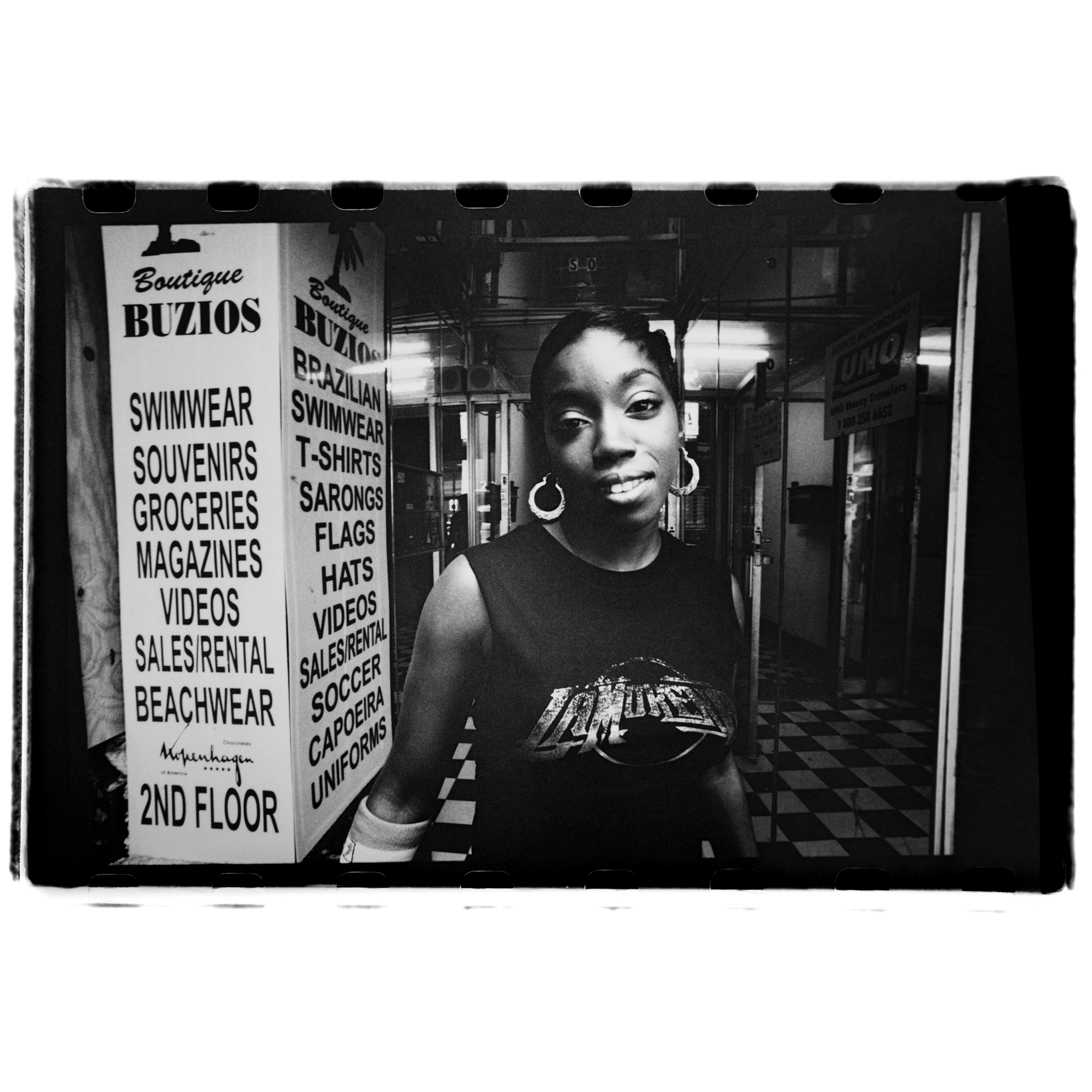
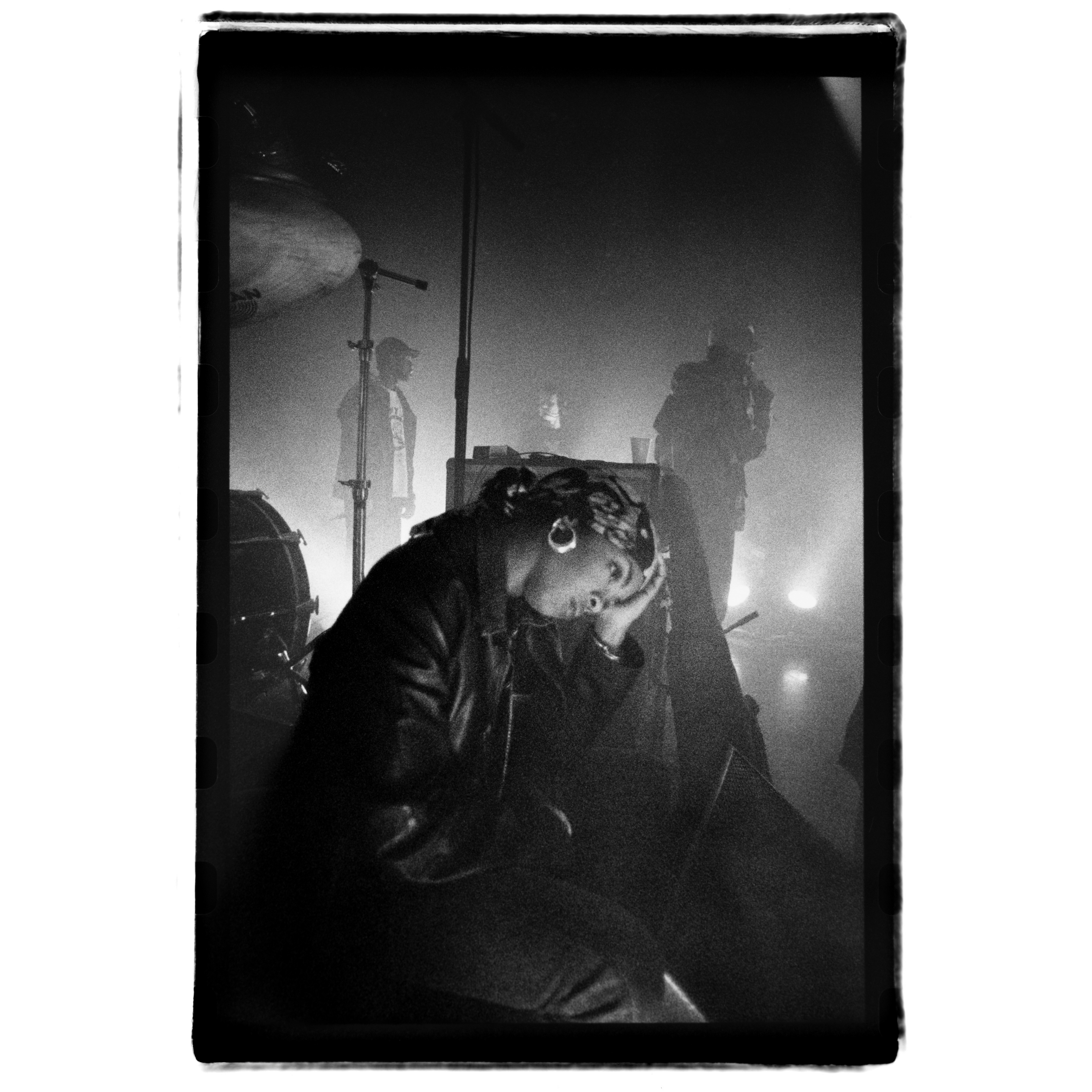
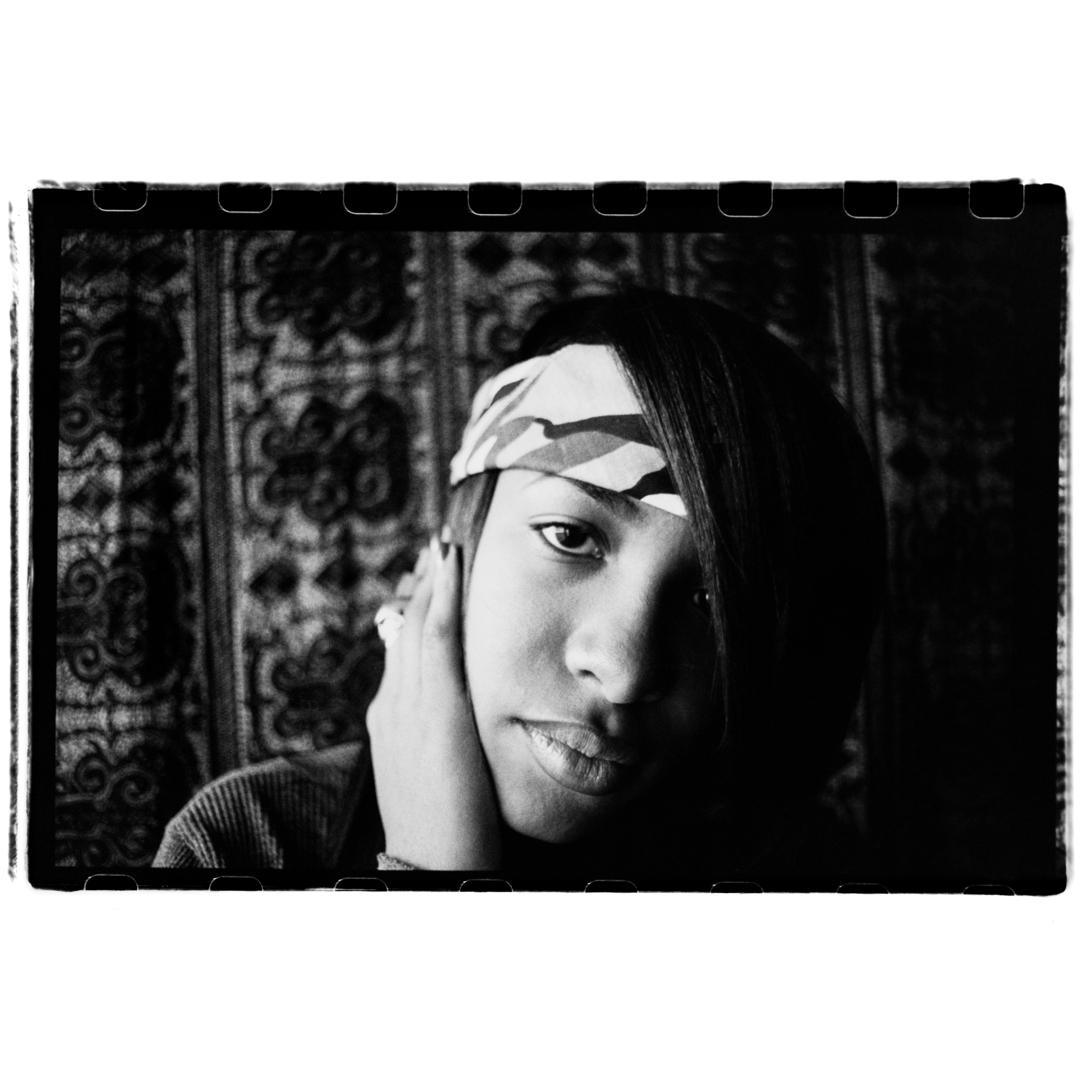
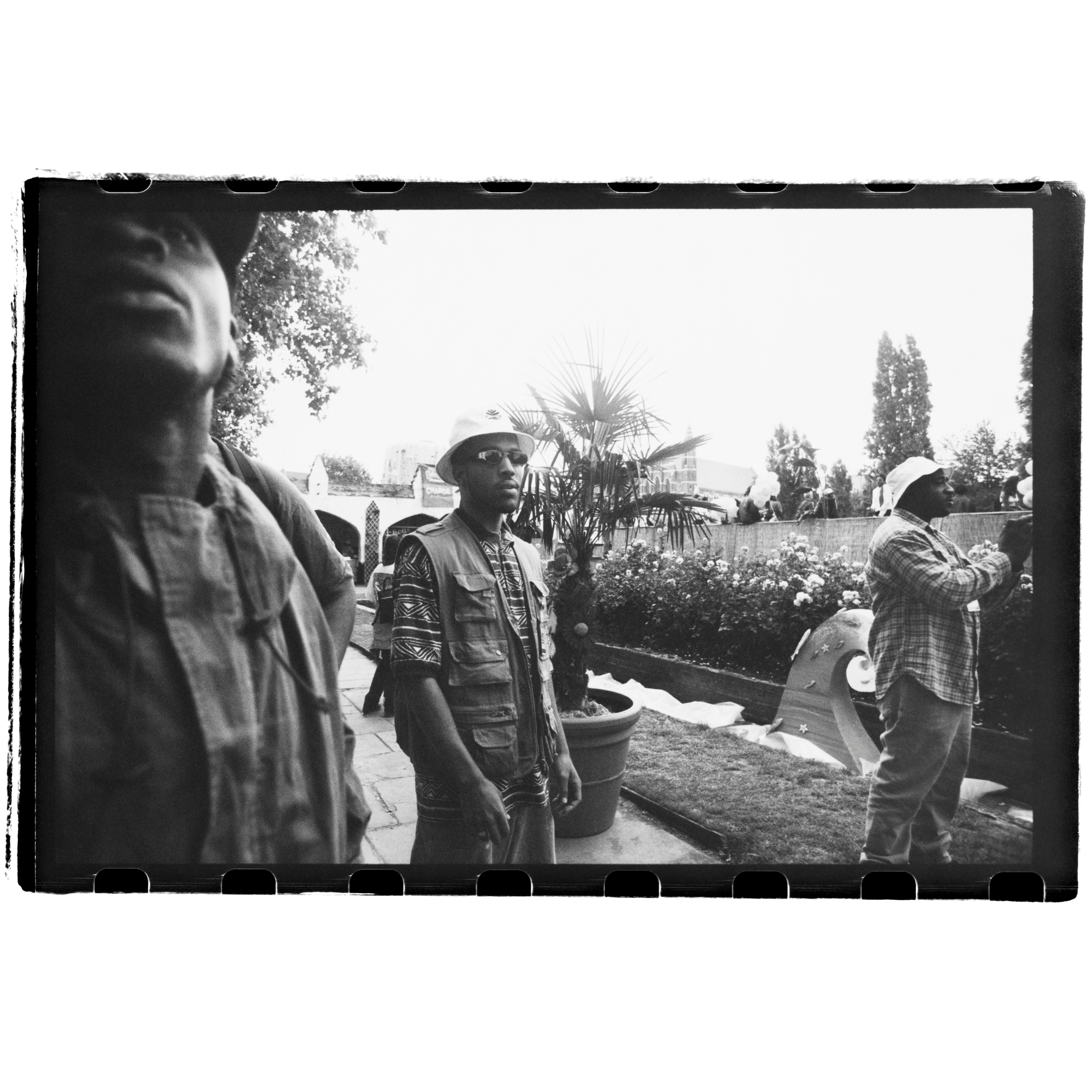
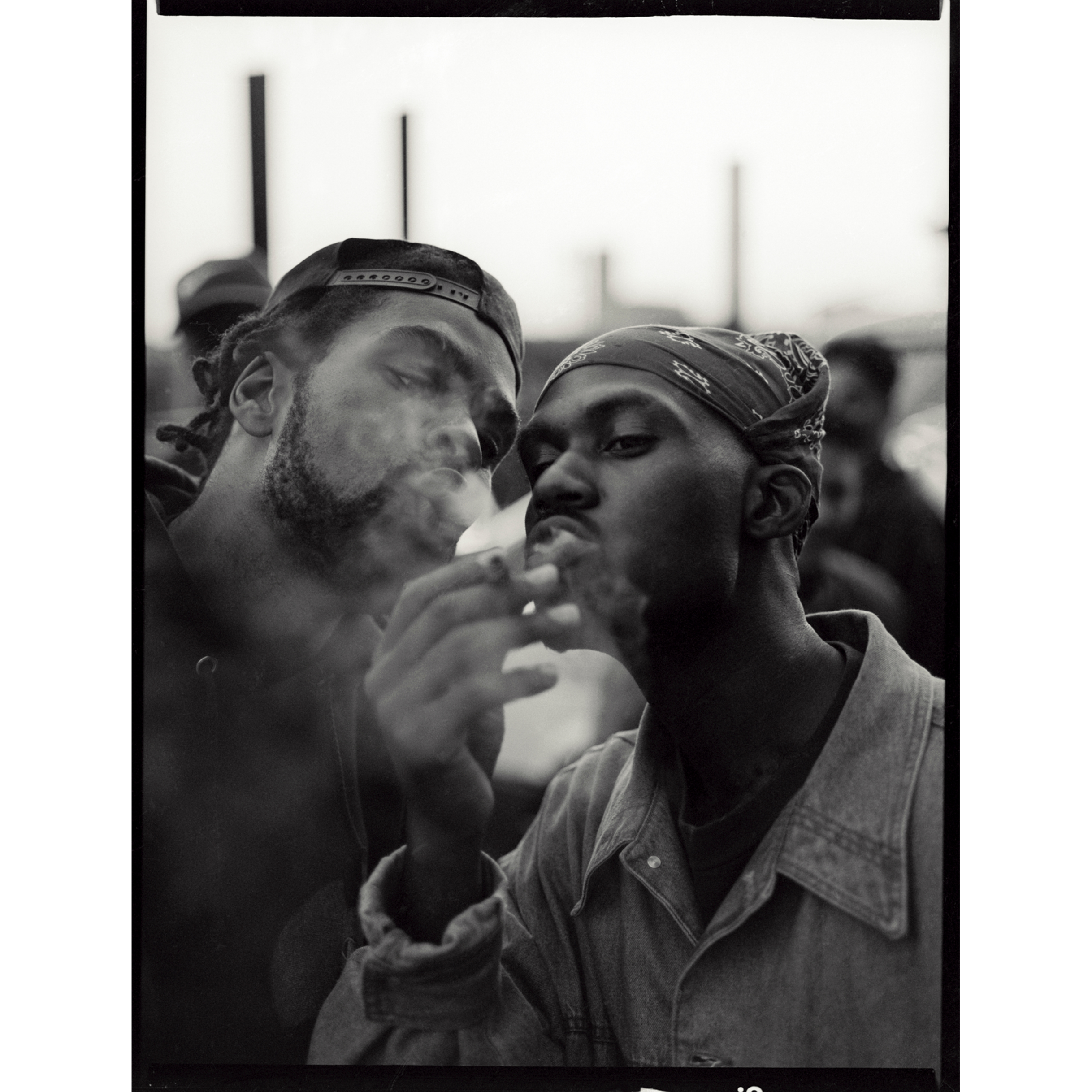
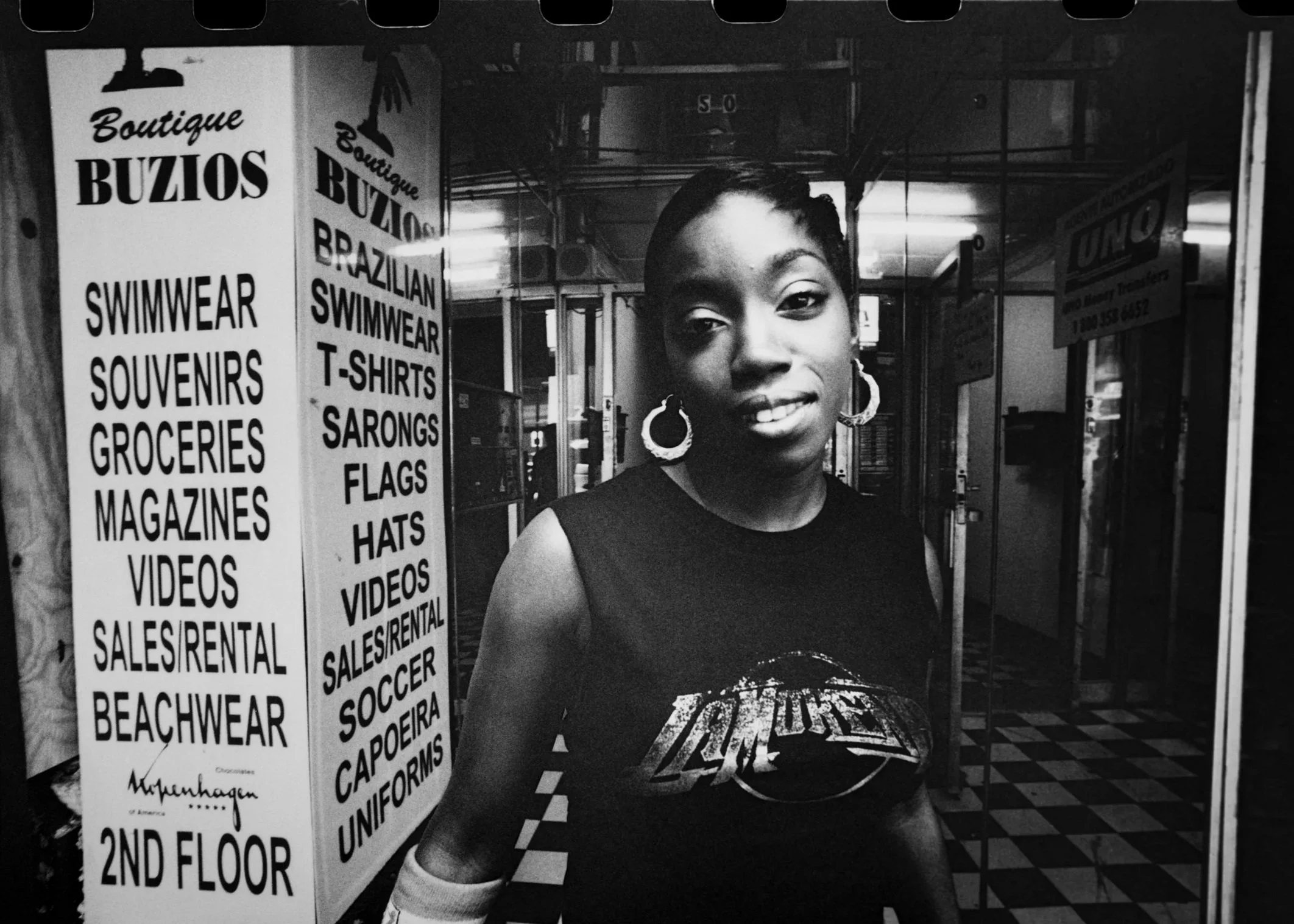
Born in Brixton to a Ghanaian mother and British father, Otchere came of age inside the very communities he would later document. As jungle breakbeats were beamed from pirate radio stations to London’s housing estates, he positioned himself not as an outsider observer but as an archivist of lived experience. His camera became a tool of authorship — preserving the style, spirituality, resistance and everyday beauty of Black British youth culture grasping agency at a time when mainstream narratives often criminalised it.
“I knew what I was here for,” Otchere has said. “I knew I had to document my life, my scene, my people.”
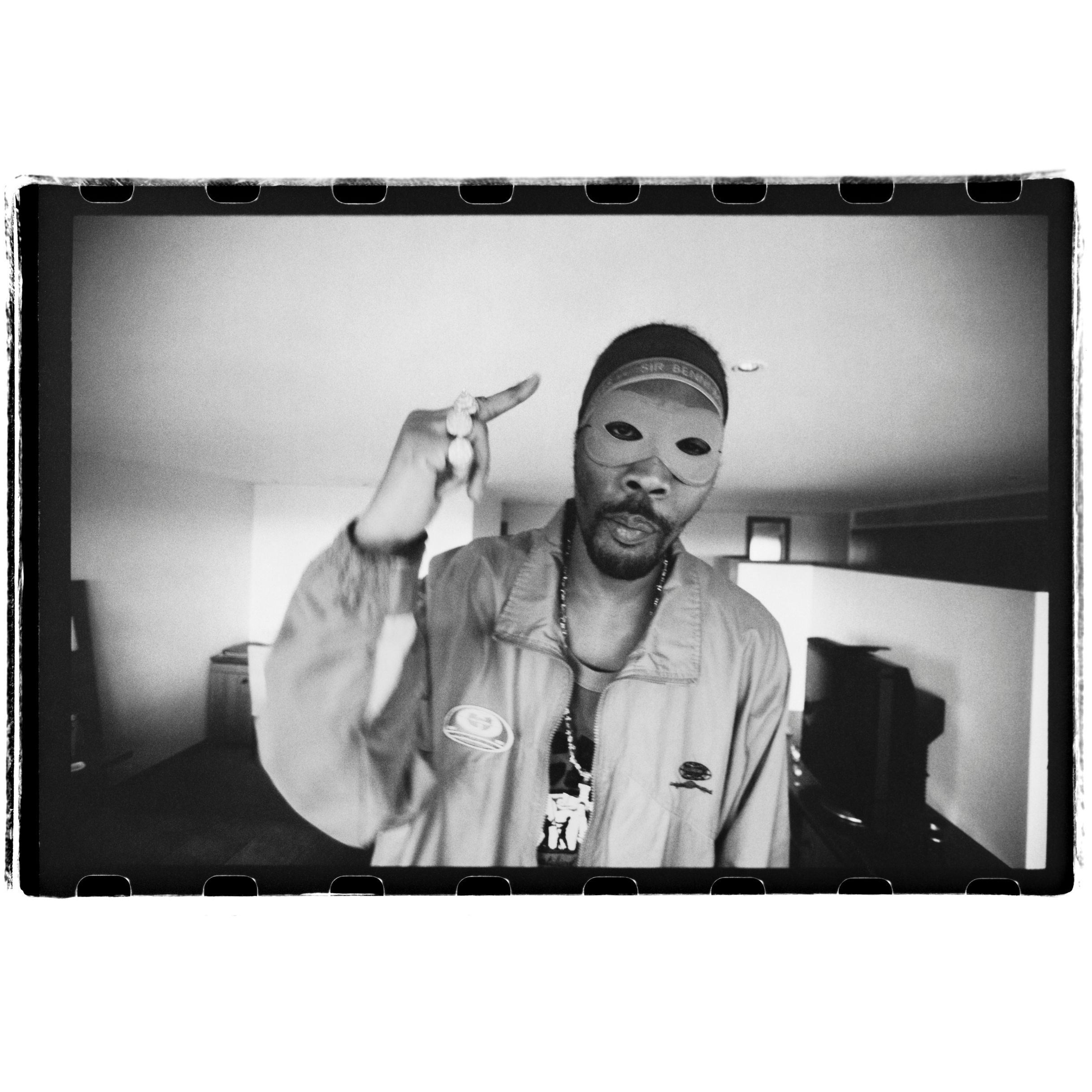
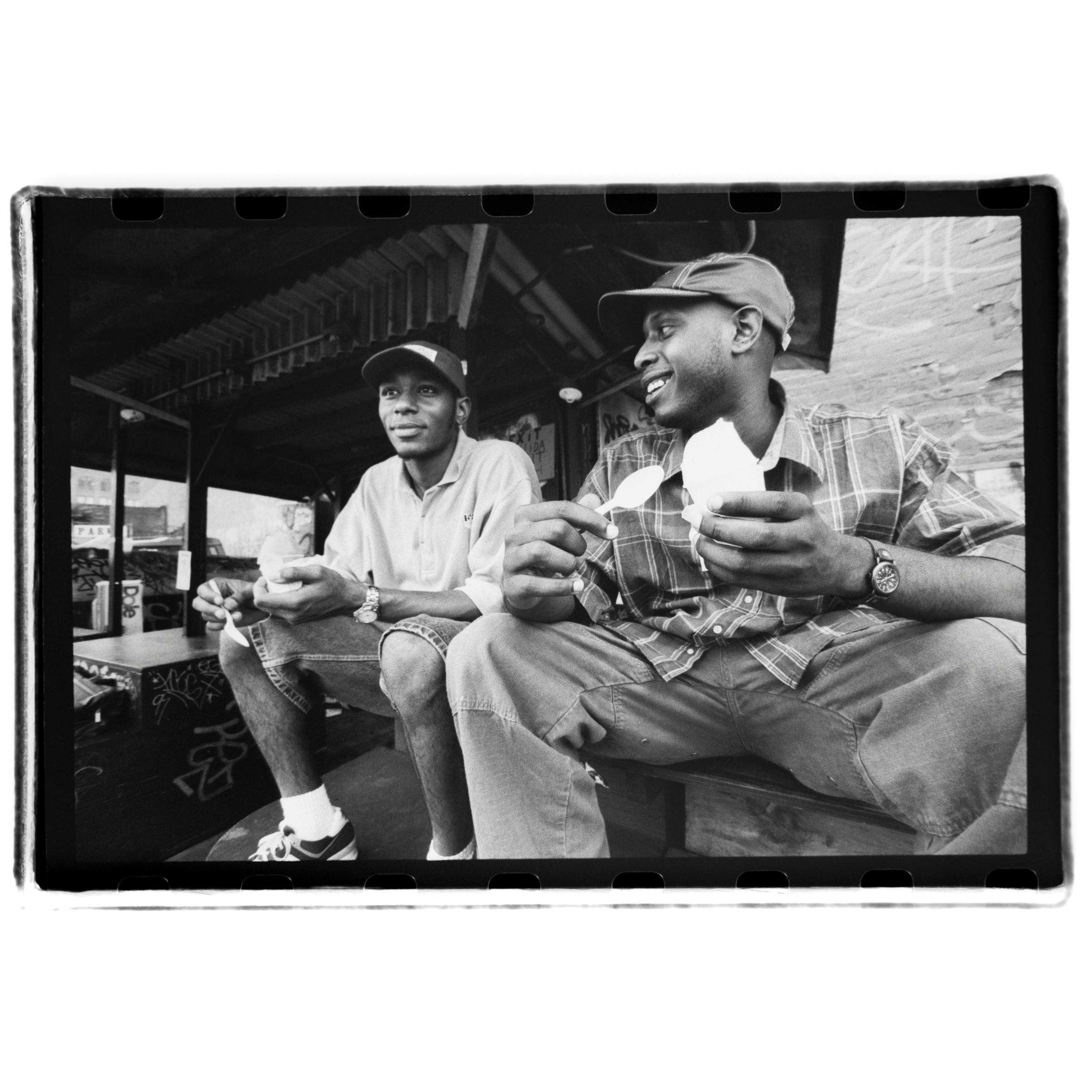
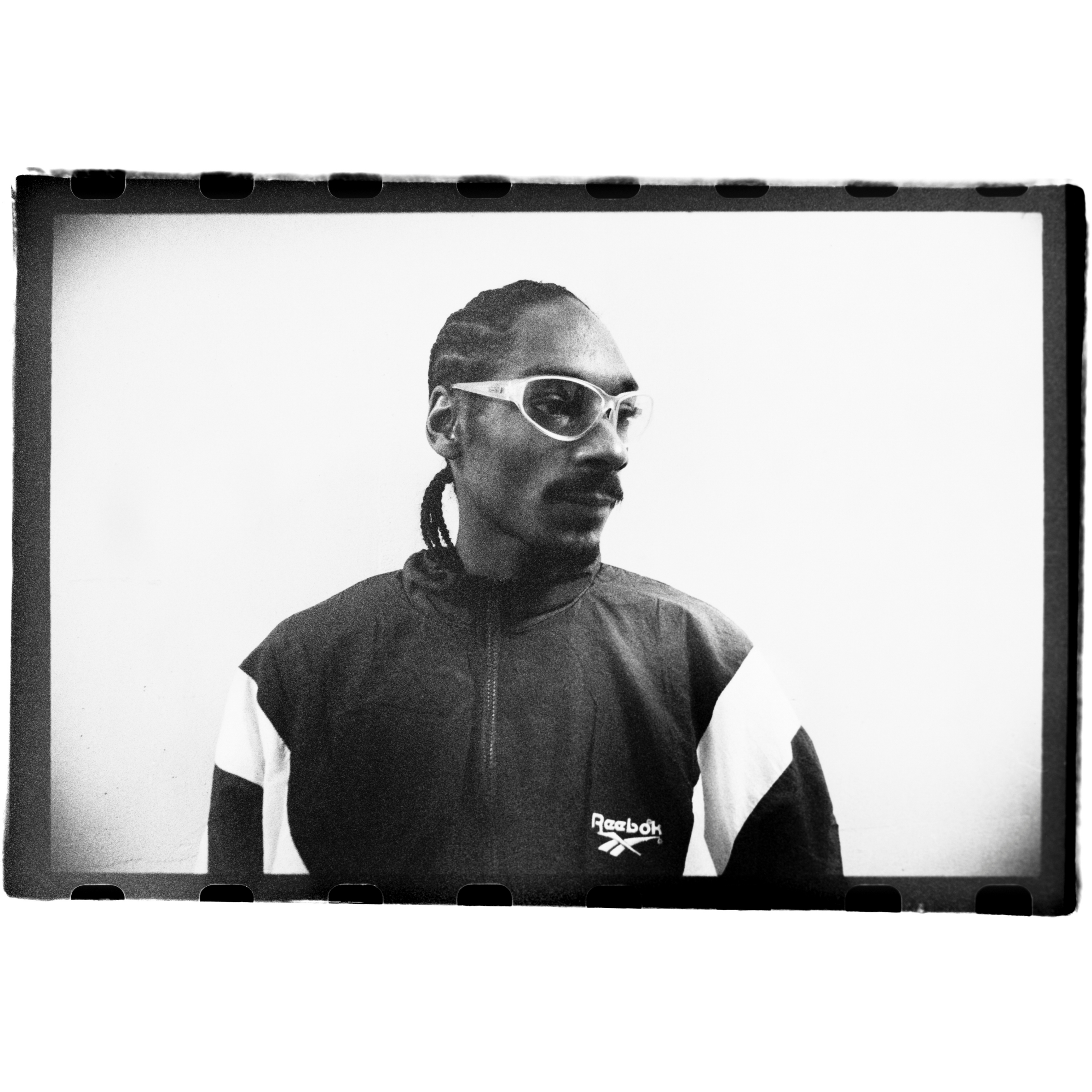
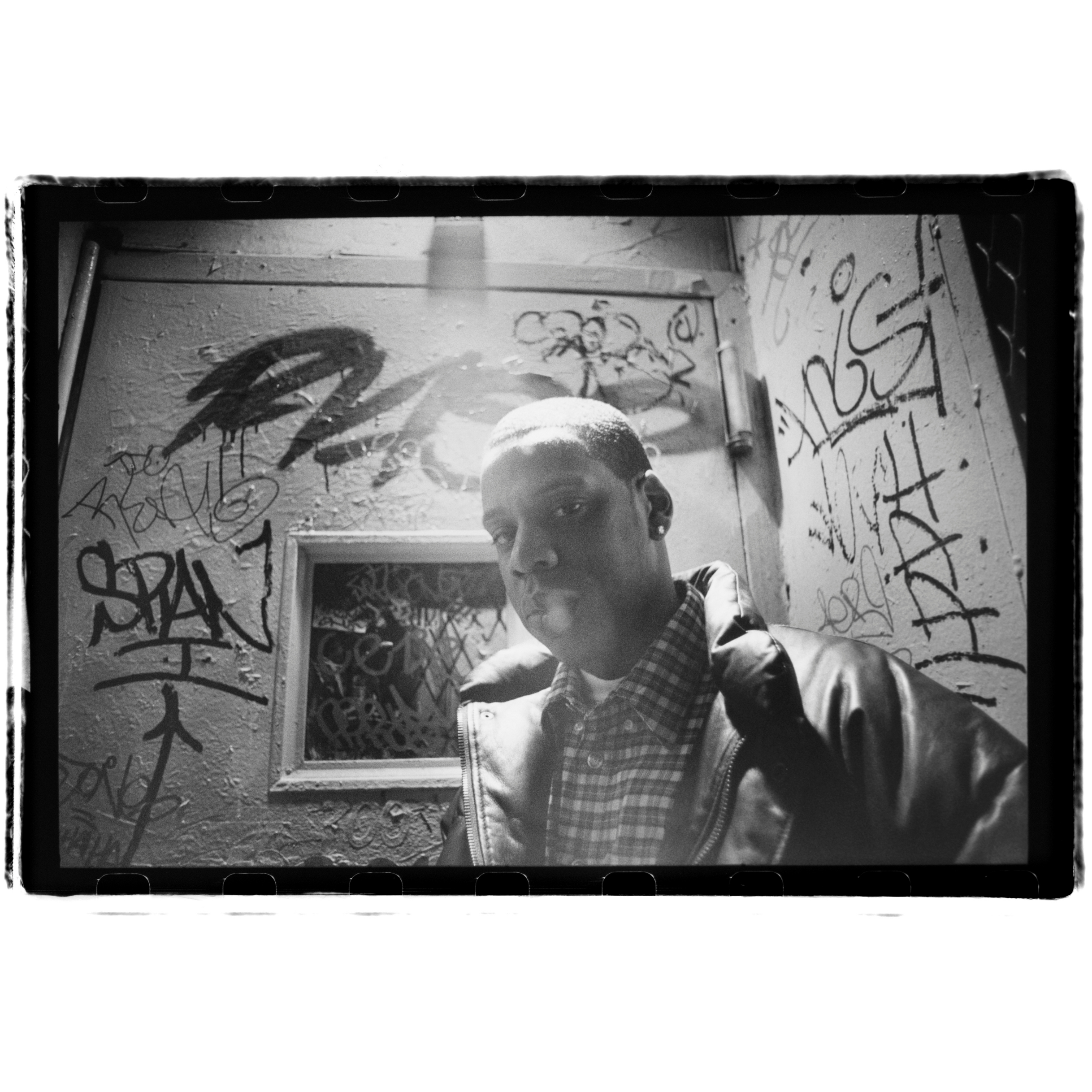
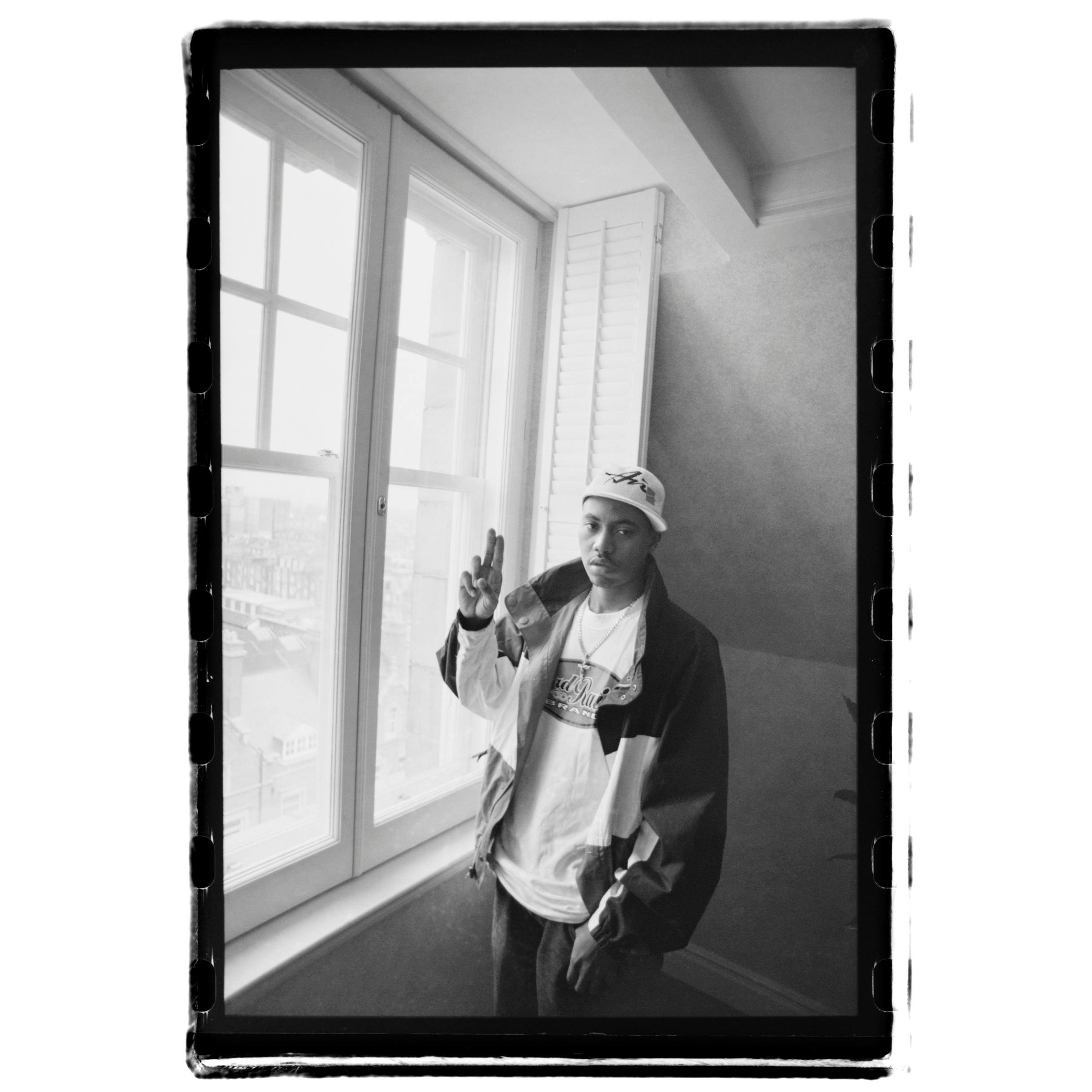
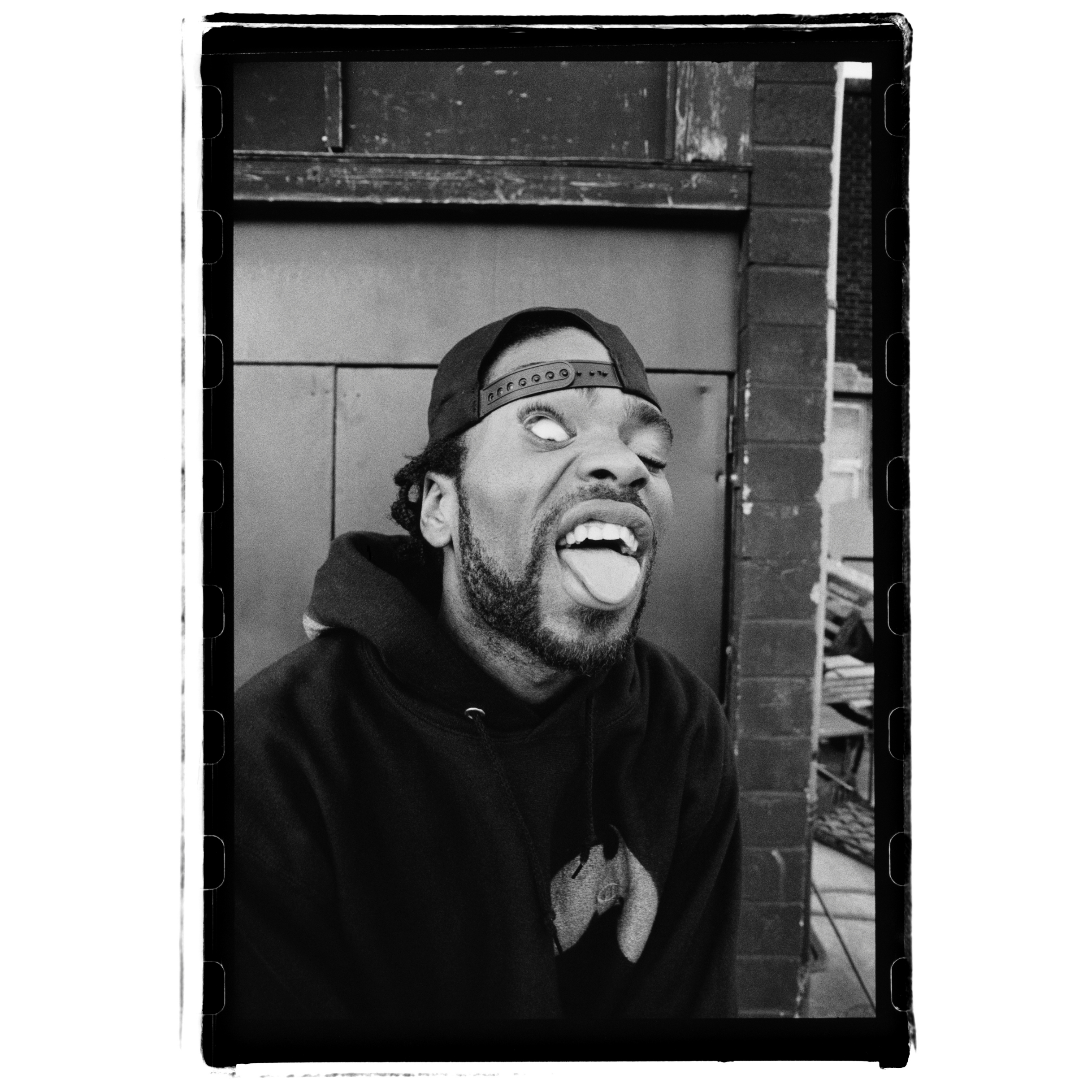
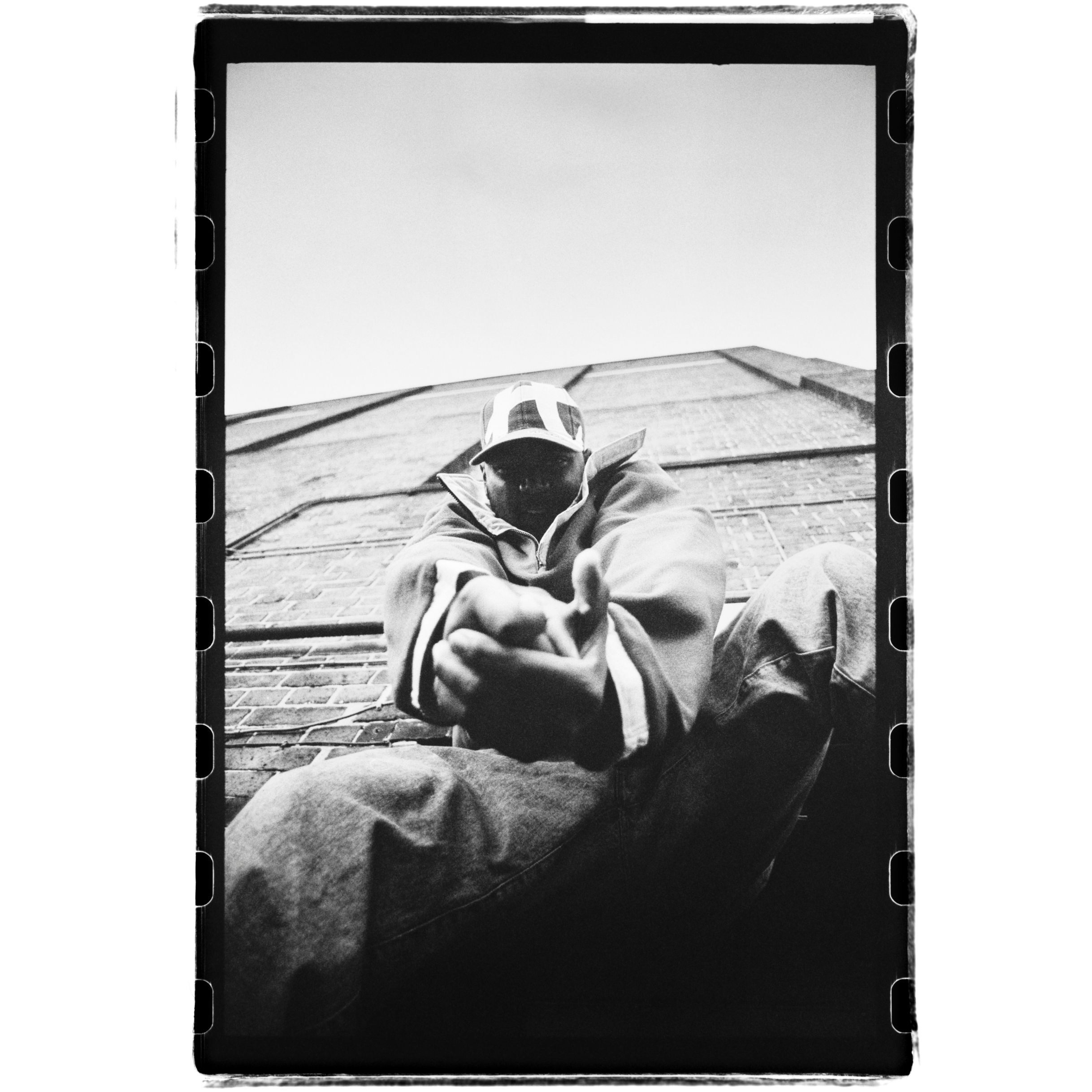
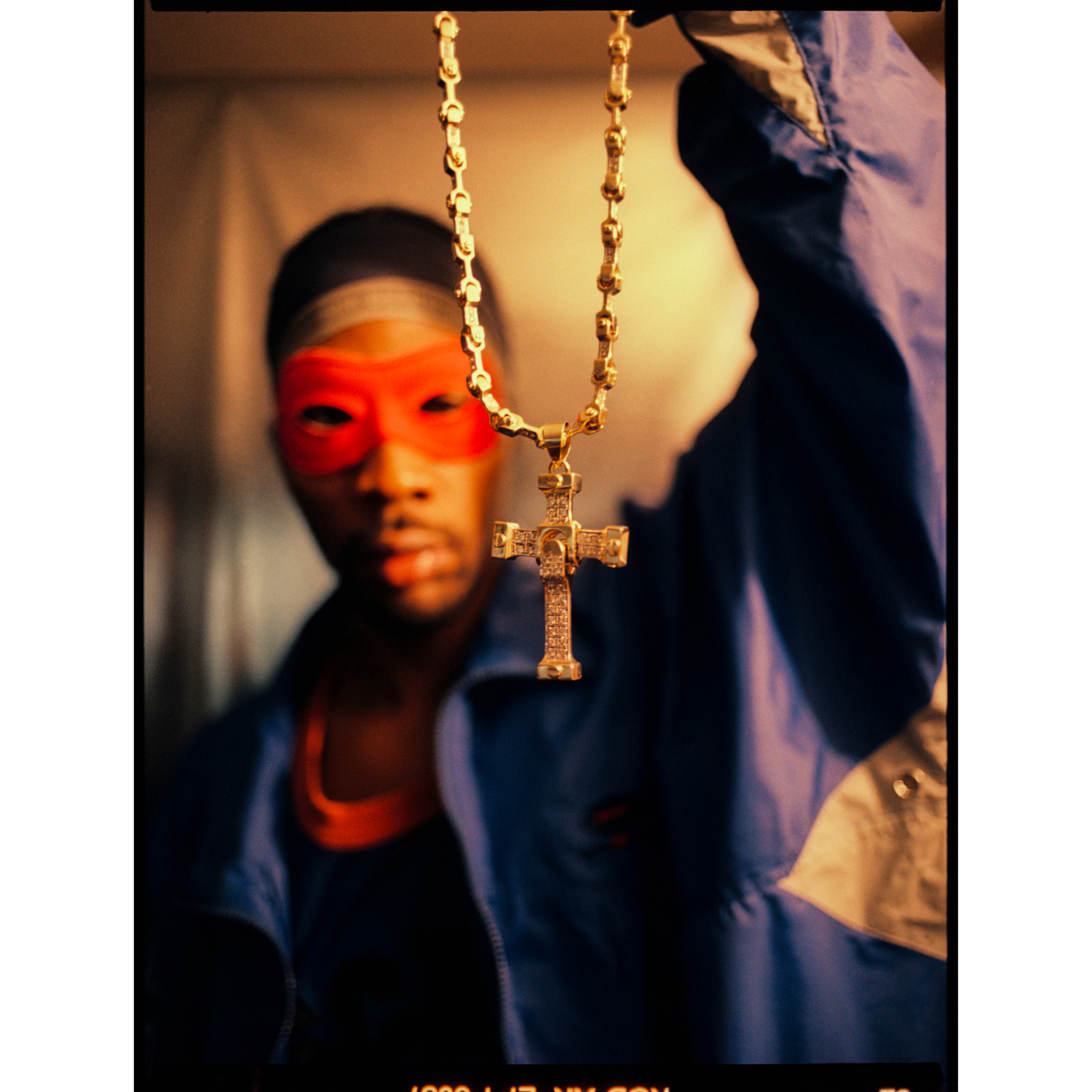
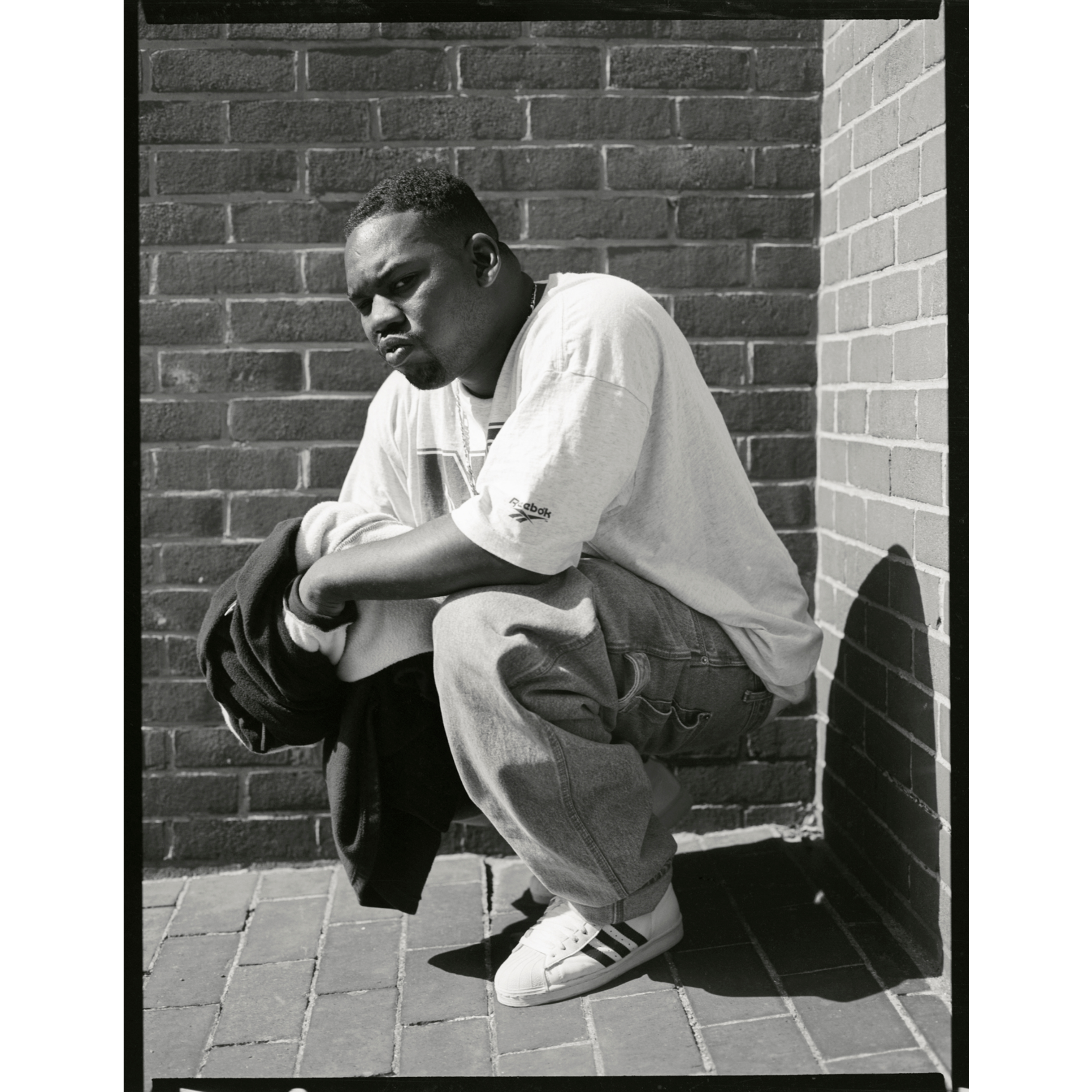
From being handpicked as official photographer for Goldie’s Metalheadz sessions at Hoxton’s Blue Note club in the mid-90s, to producing portraits of every member of Wu-Tang Clan, Otchere’s work forms a rare analogue record of the Black Atlantic cultural exchange between London and New York.
His images now sit in institutional collections including the National Portrait Gallery and the Victoria and Albert Museum, while his 2024 memoir, Spirit Behind the Lens, cemented his position as one of the most important chroniclers of Britain’s underground music movements.
The new Print Matters collection brings together a curated selection of these era-defining images, beautifully reproduced by hand using artisanal process and museum-grade archival papers. The release foregrounds Otchere’s commitment to analogue practice — the tactile integrity of film, contact sheets, and darkroom craft — refreshingly traditional values in an era when the digital realm dominates visual culture.
As hip-hop marks multiple 30-year milestones, and as conversations around Black British cultural legacy gain urgency, this release is both a celebration and an act of preservation. These are not nostalgic artefacts. They are foundational documents of movements that reshaped British, and global, identity — sonically, stylistically and politically. In an era before social media, before digital ease and saturation, Otchere created an enduring visual memory of spaces that no longer exist — clubs closed, estates redeveloped, scenes transformed — yet whose influence continues to reverberate. This drop invites collectors, music fans, and cultural institutions alike to live with a piece of that history.